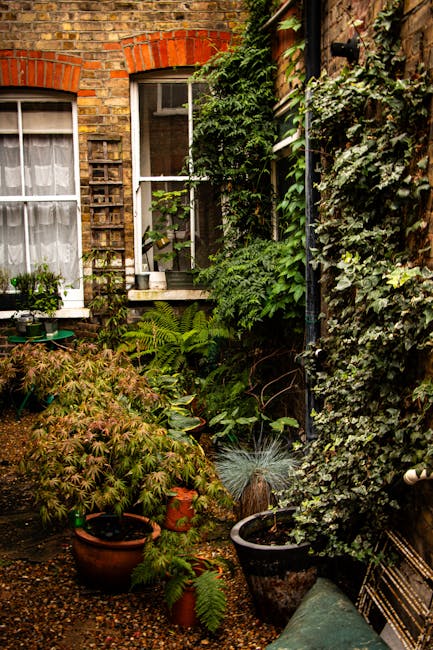
Best gardeners near Pimlico Tube for small courtyard gardens
If you live near Pimlico Tube and your garden is more courtyard than country plot, you already know the challenge. Space is tight, light can be patchy, and every planting decision matters. The right gardener can make that little outdoor room feel calm, green, and usable all year round. The wrong one? Well, they can leave you with overcrowded pots, muddy corners, and a layout that somehow makes a small space feel even smaller.
This guide is for anyone looking for the best gardeners near Pimlico Tube for small courtyard gardens, whether you need a tidy-up, a full redesign, or just a clever hand to keep a compact outdoor space looking sharp. We'll look at what makes courtyard gardening different, what to ask before you hire, how the process usually works, and where local gardeners can add real value without wasting your time or money.
To make the next step easier, this article also links to useful service pages and local information across the site, including Gardening Services London, the main gardening services overview, and area-specific help such as gardener support in Westminster. If you are comparing options, that context matters more than people often realise.
Table of Contents
- Why Best gardeners near Pimlico Tube for small courtyard gardens Matters
- How Best gardeners near Pimlico Tube for small courtyard gardens Works
- Key Benefits and Practical Advantages
- Who This Is For and When It Makes Sense
- Step-by-Step Guidance
- Expert Tips for Better Results
- Common Mistakes to Avoid
- Tools, Resources and Recommendations
- Law, Compliance, Standards, or Best Practice
- Options, Methods, or Comparison Table
- Case Study or Real-World Example
- Practical Checklist
- Conclusion
- Frequently Asked Questions
Why Best gardeners near Pimlico Tube for small courtyard gardens Matters
Small courtyard gardens are deceptively tricky. From the street, they may look simple. In reality, they need a good deal of planning to feel balanced rather than cramped. A courtyard garden near Pimlico Tube often sits between brick walls, railings, and neighbouring buildings, which means less natural light, more wind tunnel effects, and limited room for error. That is exactly why a specialist gardener can be so valuable.
The best gardeners for this kind of space understand scale. They know that a huge shrub can swallow a courtyard whole, while the right combination of containers, climbers, scent, and low-maintenance structure can make it feel quietly generous. They also understand practical issues like drainage, surface cleaning, seasonal planting, and how to keep a small garden looking tidy when life is busy.
In a central London setting, the job is not just about making things pretty. It is about using every square metre properly. A well-designed courtyard can become somewhere you actually sit with a coffee on a spring morning, or stand for five minutes after work and feel your shoulders drop. That may sound simple, but it takes judgement.
For many homeowners and tenants, the difference between a garden that is "there" and one that is genuinely enjoyable comes down to good local help. If you need broader maintenance or a one-off refresh, you may also find the garden maintenance service useful alongside a more design-led approach.
How Best gardeners near Pimlico Tube for small courtyard gardens Works
Hiring a gardener for a courtyard garden usually begins with a site visit or a detailed phone consultation. A good gardener will look at light levels, access, existing plants, soil or container conditions, and how you want to use the space. Do you want a peaceful green retreat? A low-effort courtyard with year-round structure? Or a sharper, more formal look that suits a period London property? The answer shapes everything.
From there, the work typically falls into one or more of these areas:
- Pruning and reshaping plants that have become too leggy or congested
- Container planting with species that handle shade, wind, and confined roots
- Soil and drainage improvements where pots and beds have become tired or waterlogged
- Cleaning and reset work for paving, edging, and neglected corners
- Ongoing maintenance to keep growth under control through the seasons
One thing people sometimes miss: courtyard gardening is often as much about subtraction as addition. Removing the wrong plant, clearing clutter, and reducing visual noise can transform the space more effectively than piling in more features. To be fair, a small garden can start to feel like a storage cupboard with ivy if nobody curates it properly.
If you are starting from scratch, it helps to think in layers: ground level, mid-height planting, vertical structure, and then one or two focal points. A skilled gardener will make those layers work together rather than fighting for attention.
Key Benefits and Practical Advantages
There are several reasons why local gardeners with courtyard experience tend to deliver better results than generalists who mainly work on larger plots.
Better use of limited space
Small gardens need sharp planning. A good gardener knows how to avoid bulky planting, awkward walkways, and features that look lovely in theory but get in the way in real life. In a courtyard, the best idea is often the quietest one.
More consistent upkeep
Small spaces show neglect quickly. One untended climber or a few fallen leaves can change the whole mood. Ongoing maintenance keeps the garden looking intentional rather than abandoned after a windy week. That matters near busy central London streets where dust, traffic, and footfall all creep in.
Improved planting success
Courtyard plants live a harder life than people expect. Pots dry out faster. Walls reflect heat. Shade can be deep and persistent. A gardener who understands these conditions can choose plants that actually thrive instead of just surviving with a dramatic, slightly tragic look.
Less trial and error for you
Truth be told, a lot of courtyard gardening mistakes are expensive little experiments. Choosing the wrong pot size, the wrong compost, or the wrong tree can waste a season. A knowledgeable gardener reduces that risk early.
Better visual flow
In a compact garden, the eye needs somewhere to rest. Good gardeners use repetition, texture, and subtle contrast to make the space feel bigger. A single handsome container, a clipped shape, or a well-placed climber can do more than a pile of random features. Funny how that works.
| Courtyard garden challenge | What a skilled gardener does | Why it helps |
|---|---|---|
| Low light | Selects shade-tolerant plants and lighter surfaces | Prevents sparse, struggling growth |
| Limited width | Uses vertical planting and restrained layouts | Creates space without crowding paths |
| Dry pots | Chooses suitable compost, irrigation, and plant types | Reduces wilting and stress in summer |
| Messy seasons | Builds a maintenance plan for pruning and leaf clearance | Keeps the garden looking composed year-round |
For a broader service overview that supports these kinds of improvements, the garden clearance service can be especially useful when a courtyard has been left to get away from you a bit. Happens more often than people admit.
Who This Is For and When It Makes Sense
This kind of gardening support is a strong fit if you have a small outdoor space and want it to feel considered, not cramped. That includes homeowners, landlords, busy professionals, and even tenants who are responsible for a courtyard, terrace, or compact patio area. If the garden is visible from the kitchen, it becomes part of daily life very quickly, which is why even modest improvements can have an outsized effect.
It also makes sense if you are dealing with one of these situations:
- The garden has become overgrown and hard to use
- Plants are failing because the space gets too much shade or wind
- You want better seasonal colour without constant effort
- You are preparing a property for sale or letting and want the outside to look cared for
- You need help turning a plain paved area into something softer and more welcoming
Not everyone needs a full redesign. Sometimes the best move is a tidy, a few smart plant replacements, and a cleaner structure. Other times, the whole thing needs a rethink. A good gardener will tell you the difference. Not every problem needs a grand solution, and that honesty is worth paying for.
If your courtyard sits in a managed building or shared block, the garden maintenance services page can help you think through ongoing care rather than one-off fixes. That kind of steady attention tends to pay off in smaller spaces.
Step-by-Step Guidance
Here is a practical way to approach hiring and working with a gardener for a small courtyard near Pimlico Tube.
- Define the garden's job. Decide whether the space is for relaxing, entertaining, growing, privacy, or simply looking good from inside. A garden can do more than one thing, but it helps to choose a primary purpose.
- Take a clear look at the conditions. Note sun, shade, wind, drainage, and what the space looks like in the morning and late afternoon. A courtyard that glows at 5 pm may be gloomy by midday, or the other way around.
- Gather a few photos. Good gardeners work faster and more accurately when they can see the site, especially if access is tricky or the garden has awkward angles.
- Ask about relevant experience. You want someone who has worked with compact London gardens, not just larger suburban plots. That experience changes the advice you get.
- Discuss maintenance expectations. Some designs look lovely but require constant attention. Be clear about how much time and energy you want to spend yourself.
- Agree on priorities. Maybe the first job is clearing, then planting, then seasonal maintenance. Breaking it down keeps the job realistic and easier to budget.
- Review plant choices carefully. Check which plants cope with shade, dry spells, container growth, and seasonal weather swings. Ask for plain-English explanations if anything sounds overcomplicated.
- Plan for aftercare. Even the best design needs a few weeks of attention after planting. Watering, feeding, and light pruning can make the difference between success and a disappointing reset.
A small but useful tip: ask the gardener what they would remove, not just what they would add. That answer often tells you more about their judgement than a glossy plant list ever will.
Expert Tips for Better Results
Small courtyard gardens reward restraint. The most impressive results usually come from strong structure, disciplined planting, and a clear sense of proportion. Here are a few expert-level habits that make a real difference.
Choose fewer plant types, but choose well
Too many species in a tiny space can look busy in the wrong way. A repeated palette of perhaps five to seven key plants often feels calmer and more intentional. Use texture and height variation rather than sheer quantity.
Think vertically, not just horizontally
Courtyard spaces benefit from walls, trellises, trained climbers, and slim upright shrubs. Vertical interest draws the eye upward and gives the space a sense of enclosure without cluttering the floor.
Use containers with discipline
Containers are brilliant for flexibility, but they can also become a mess if they are too varied or too small. Matching materials or repeating one or two pot styles can make the whole garden feel more coherent. That's one of those small details people feel before they can explain it.
Keep a seasonal rhythm
Courtyard gardens work best when the gardener plans ahead: spring clean, summer control, autumn clearance, winter structure. If you only think about the garden when it looks tired, you are already playing catch-up. A little forethought goes a long way.
Ask for honest maintenance advice
Some plants need weekly watering in summer. Others need strict pruning. A reliable gardener will say this straight, rather than pretending everything will be effortless. That honesty is a green flag.
For broader advice on keeping the garden in shape across the year, the lawn care and general garden upkeep guidance can be useful, even if your courtyard has no lawn at all. The principles of steady care still apply.
Expert summary: In a small courtyard, the best gardener is usually the one who knows when to edit, when to simplify, and when to leave a good thing alone. That balance is what makes the space feel grown-up rather than overdone.
Common Mistakes to Avoid
People often make the same few errors in compact gardens, and they are easy to understand. The trouble is, small spaces forgive very little. Here's what to watch out for.
Buying plants for the label, not the location
"Evergreen" or "low-maintenance" can sound reassuring, but those terms mean little if the plant hates shade or dries out too fast in a pot. Always match the plant to the conditions, not the marketing.
Overcrowding the space
It's tempting to fill every corner. Resist that urge. A little breathing room makes a courtyard look bigger and calmer. If every square inch is packed, the garden starts to feel tense. No one wants that from a place meant to be relaxing.
Ignoring drainage
In container-heavy gardens, drainage is not a side issue. It is fundamental. Waterlogged roots can ruin even healthy-looking plants. If your paving gets slippery or pots sit in standing water, that needs attention early.
Choosing furniture before the planting plan
In a small courtyard, furniture should support the layout, not fight it. A bulky bench can crowd out the planting scheme. Measure first. Re-measure, actually. Then decide.
Skipping the follow-up care
Fresh planting needs aftercare. A courtyard can look wonderful on day one and tired by day ten if watering and checking are forgotten. Slightly dull advice, but important. Garden success is often built on little routine actions.
Failing to ask about access
Central London properties can have tight stairs, shared entrances, or awkward delivery routes. A gardener needs to know this in advance to plan materials and timing properly. It saves stress for everyone.
Tools, Resources and Recommendations
For a small courtyard, the right tools matter as much as the right plants. You do not need a shed full of equipment, but you do need the basics handled well.
- Compact pruning tools for shaping shrubs, climbers, and perennials neatly
- Quality compost and mulch suitable for containers and beds
- Watering cans or drip irrigation to keep moisture consistent in summer
- Container-friendly fertiliser for healthy growth during the season
- Support ties and trellising for vertical planting and climbing plants
- Soft brushes or gentle cleaning tools for paving, pots, and decorative surfaces
If you are comparing service types, it can help to browse the wider site for the right fit. The services page gives a useful starting point, while garden design support is worth exploring if you want a more considered layout rather than routine maintenance alone.
There is also value in checking whether the gardener can advise on plant sourcing, seasonal swaps, and long-term care. Good gardeners do not just work on the space; they help you understand it. That is a difference worth noticing.
Law, Compliance, Standards, or Best Practice
For most courtyard garden jobs, there is no complicated legal process involved, but there are still sensible standards and good practice points to keep in mind. If the property is leasehold, shared, or part of a managed block, you may need permission before changing fixed features, altering boundaries, or affecting shared access areas. That is not glamorous admin, but it matters.
It is also wise to check responsibility for waste removal, especially after clearance work. A professional gardener should be able to explain how green waste is handled and whether disposal is included. If machinery, ladders, or power tools are used, safe working practices should be followed. That may sound obvious, yet a tidy-looking job can still hide poor process if nobody has thought it through.
When comparing gardeners, look for clear communication, reasonable insurance, and a sensible approach to safety and site care. You do not need a lecture. You do need someone who treats the property with respect and does not leave trip hazards behind. Simple as that.
In shared residential settings around Westminster, being considerate with noise, access, and working hours is also part of good practice. The best tradespeople tend to understand that before you even ask.
Options, Methods, or Comparison Table
Not every courtyard needs the same kind of service. Some spaces need a clean-up and reset, while others need ongoing planting care or a redesign from the ground up. Here is a simple comparison to help you decide.
| Option | Best for | Main advantage | Watch out for |
|---|---|---|---|
| One-off tidy-up | Overgrown or neglected courtyards | Quick visual improvement | May not solve long-term planting issues |
| Regular maintenance | Gardens that already have good structure | Keeps the space neat all year | Needs consistent scheduling |
| Planting refresh | Courtyards with weak or tired planting | Improves colour, texture, and resilience | Requires plant selection suited to light and drainage |
| Full redesign | Spaces that feel cramped, awkward, or unusable | Creates a better layout from the start | Takes more planning and usually a higher budget |
If you are unsure which path fits, start with a site assessment. A clear-eyed gardener can usually tell you within minutes whether the space needs editing, replanting, or a proper rethink. And honestly, that early conversation can save a lot of regret later.
Case Study or Real-World Example
Consider a typical courtyard near Pimlico Tube: a narrow paved area with a couple of tired pots, a climber that has gone woody, and a bench that technically fits but barely leaves room to walk past. Nothing terrible. Just a bit flat.
A good gardener might start by clearing out broken or struggling plants, then assess what the space is really getting in terms of light. If the back wall is shaded for most of the day, they may suggest ferns, hellebores, or other shade-tolerant planting rather than sun-lovers that will sulk by June. They might replace mismatched containers with a smaller, more cohesive set and add one vertical feature to soften the brickwork.
The change is often not dramatic in a flashy sense. It is more satisfying than that. The courtyard starts to feel calmer. The paving looks cleaner. There is a proper line of sight from the kitchen window. Maybe, on a quiet evening, you notice the scent of a climber or the way the light catches on fresh foliage. Small, yes. But real.
That is the beauty of expert courtyard work. It does not need to shout.
If the space is still in a rough state, a combination of clearance, maintenance, and carefully chosen planting can turn a neglected corner into one of the most useful rooms in the property, just without a roof.
Practical Checklist
Use this checklist before you book a gardener or approve a plan for your courtyard garden.
- Have I decided what the space should primarily do?
- Do I know how much sun, shade, and wind the garden gets?
- Have I taken clear photos from more than one angle?
- Am I looking for one-off help, ongoing maintenance, or a redesign?
- Has the gardener worked on small London courtyards before?
- Have I discussed access, timing, and waste removal?
- Do I understand which plants suit the site conditions?
- Have I allowed for aftercare after planting or pruning?
- Is there a realistic plan for upkeep in busy months?
- Does the proposed layout leave enough room to move comfortably?
Quick takeaway: if the answer to most of those points is yes, you are probably on the right track. If not, slow down a little. Courtyard gardens reward thoughtfulness, not rush.
Conclusion
Finding the best gardeners near Pimlico Tube for small courtyard gardens is really about finding someone who understands restraint, proportion, and the everyday realities of London outdoor spaces. The right gardener will not just make the garden look better for a week. They will help it function better, feel calmer, and stay easier to manage over time.
Whether your courtyard needs a tidy reset, smarter planting, or a more complete redesign, the key is to work with someone who listens properly and respects the scale of the space. Small gardens can be some of the most rewarding to get right. They are intimate, personal, and surprisingly expressive when handled well.
If you are comparing services, take your time, ask direct questions, and trust the person who offers clear, practical advice rather than vague promises. That usually tells you everything you need to know.
Get a free quote today and see how much you can save.
And if nothing else, remember this: a courtyard does not need to be big to feel beautiful. It just needs the right hand on it.
Frequently Asked Questions
What should I look for in a gardener for a small courtyard garden?
Look for someone with experience in compact London gardens, strong plant knowledge, and a practical approach to light, drainage, and maintenance. Courtyard gardens need judgement, not just enthusiasm.
How often should a small courtyard garden be maintained?
It depends on the planting, but many courtyards benefit from seasonal visits, with extra attention in spring and summer. If the garden has a lot of containers, it may need more regular watering and checking.
Can a small courtyard garden still have year-round interest?
Yes, absolutely. With the right mix of evergreen structure, seasonal flowers, textured foliage, and maybe one or two architectural plants, a courtyard can look good in every season. It does not need to be flat in winter.
Are gardeners near Pimlico Tube used to working in tight access spaces?
Many are, but you should always ask. Central London access can be awkward, so it helps to choose someone who is comfortable with stairs, shared entrances, and compact working areas.
How much work can a gardener do in one visit?
That depends on the size and condition of the space. In a small courtyard, a single visit can achieve a lot: clearance, pruning, planting, pot refreshes, and a noticeable tidy-up. Sometimes the visual change is bigger than you expect.
Is it better to use pots or beds in a courtyard garden?
Often both work well. Pots give flexibility, while beds can provide more permanent structure. A good gardener will judge the balance based on drainage, light, and how much maintenance you want.
What plants usually work well in shady courtyard gardens?
Shade-tolerant plants are often the safest choice, especially in enclosed London gardens. Ferns, hellebores, ivy in controlled use, and some ornamental grasses can work well, but the best selection depends on the exact light levels.
Do I need a full redesign if my courtyard looks tired?
Not always. Sometimes a careful clean-up, pruning, and planting refresh is enough. A full redesign is usually only needed if the layout is awkward or the space no longer works for how you use it.
How do I know if a quote is reasonable?
A reasonable quote should be clear about what is included: labour, materials, plant sourcing, waste removal, and aftercare. If anything sounds vague, ask for clarification. Straight answers are usually a good sign.
Can a gardener help make a courtyard feel bigger?
Yes. The right planting structure, container choices, lighter surfaces, and better layout can all make a small courtyard feel more open. A good gardener uses visual tricks quietly, not in a gimmicky way.
What if my courtyard gets very dry in summer?
Then drought-tolerant planting, improved compost, mulching, and possibly a watering plan become important. This is one of the most common issues in small urban gardens, and it is usually manageable with the right setup.
Should I choose a gardener or a garden designer first?
If the garden mostly needs maintenance or replanting, a gardener may be enough. If the layout feels fundamentally wrong, a design-led approach may help first. Sometimes the same company can cover both, which keeps things simpler.